
Contesto
RUOLO
Worked for
Scalapay
Anno
2023
Late 2022, in the middle of my Master's at Talent Garden, Scalapay and TAG organized a 72-hour design sprint in Milan. The challenge: rethink how people use "buy now, pay later" services in physical stores.
I was part of a 7-person multidisciplinary team. I wasn't the oldest or most senior, but I pushed to take ownership of the UX and UI direction. It meant a lot of mediating — balancing strong opinions, navigating team dynamics, keeping us focused when the clock was ticking.
At the time, Scalapay was huge online but almost invisible in brick-and-mortar retail. We had three days to bridge that gap. From shadowing real transactions in Milan shops to designing high-fidelity prototypes with micro-interactions, the sprint was intense, chaotic, and one of the most formative experiences of my Master's.
Scalapay In-Store was the result — a redesigned checkout flow that turned installment payments into a simple, fast, almost invisible gesture. No tablets. No awkward waits. Just a QR sticker and two taps.
sfida
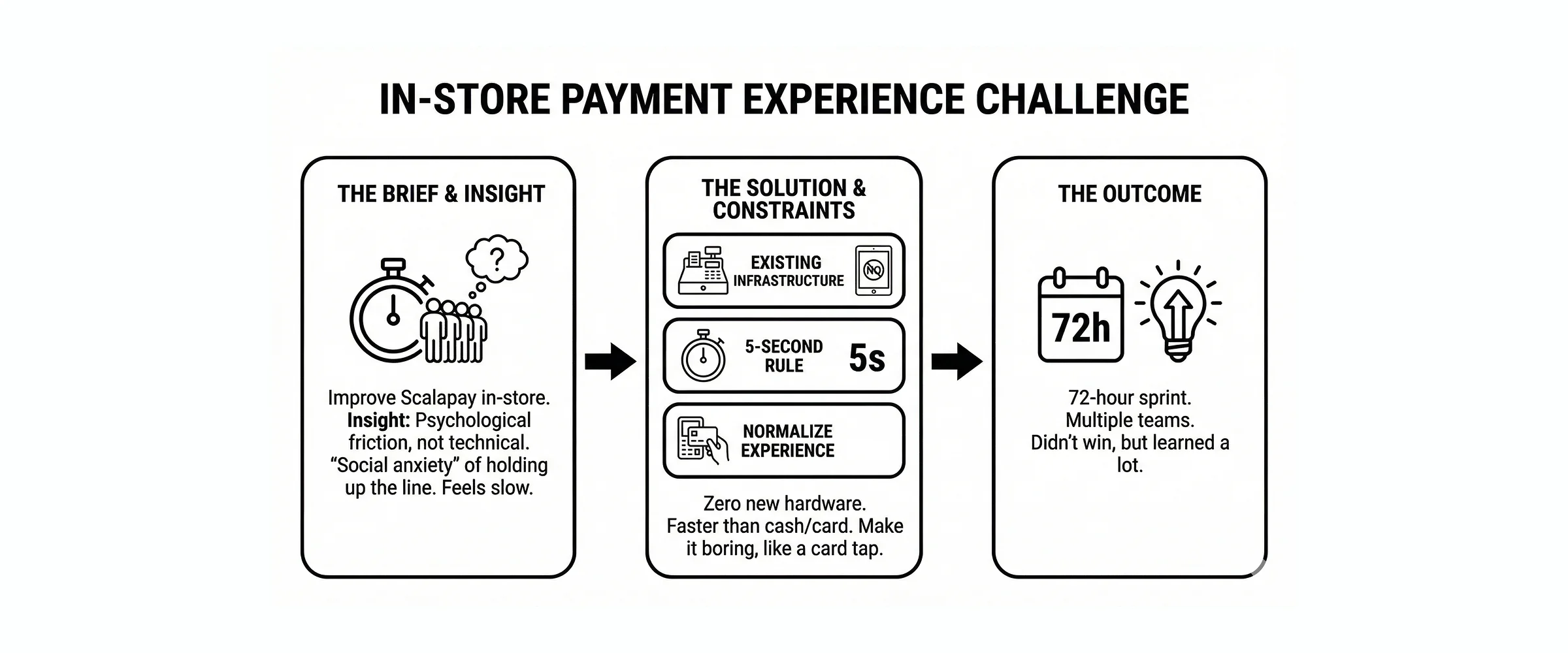
Questa sfida ha richiesto un'intensa attività di ricerca e progettazione per migliorare l'utilizzo di Scalapay nei negozi fisici da parte della Generazione Z e dei Millennials, che lo utilizzano principalmente online ma non in negozio. L'obiettivo era velocizzare i pagamenti in store con Scalapay e migliorare la scoperta e la visibilità del servizio sia in app che nei negozi fisici. Attualmente, il processo di pagamento in-store risulta complesso e scoraggiante sia per gli utenti che per i commessi.
processo
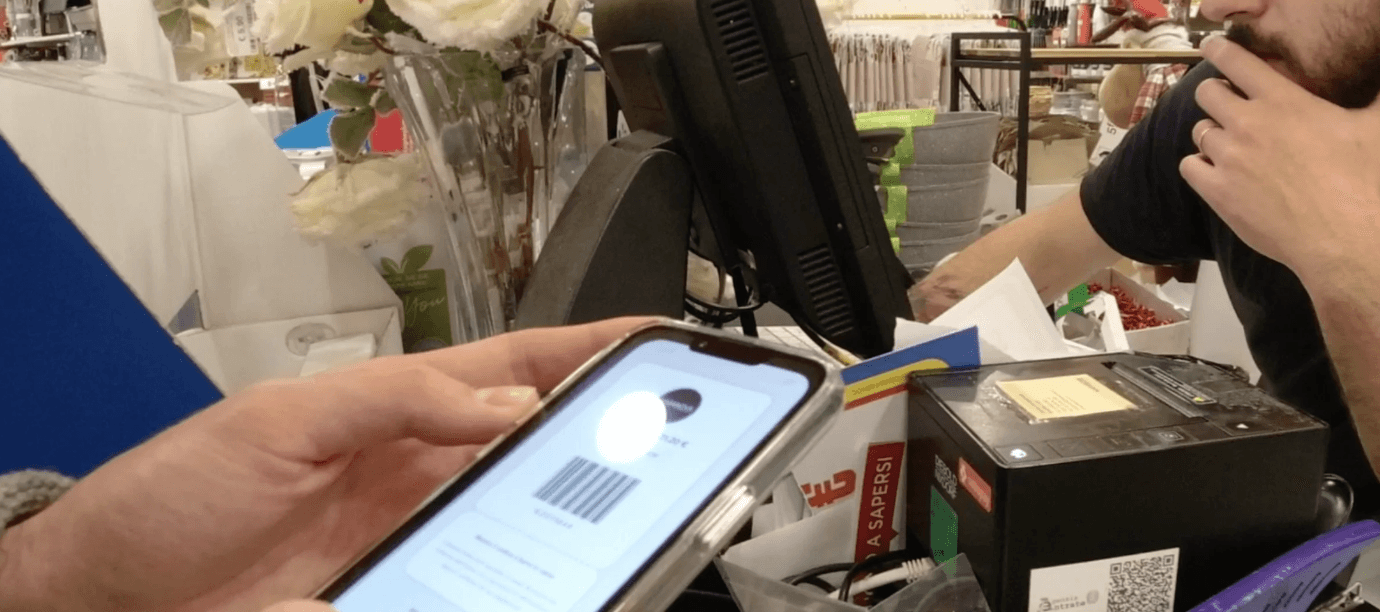
Il mio team ed io abbiamo dunque seguito il processo di design thinking dal brainstorming alla desk research, dal benchmark ad Interviste utente, dai sondaggi alla field study.
Abbiamo investito un breve ma importante lasso di tempo nella definizione migliore dei ruoli, poi con le informazioni di cui eravamo in possesso abbiamo proseguito con la definizione, passando per customer journey, user personas, mappa di informazione, e wireframe.
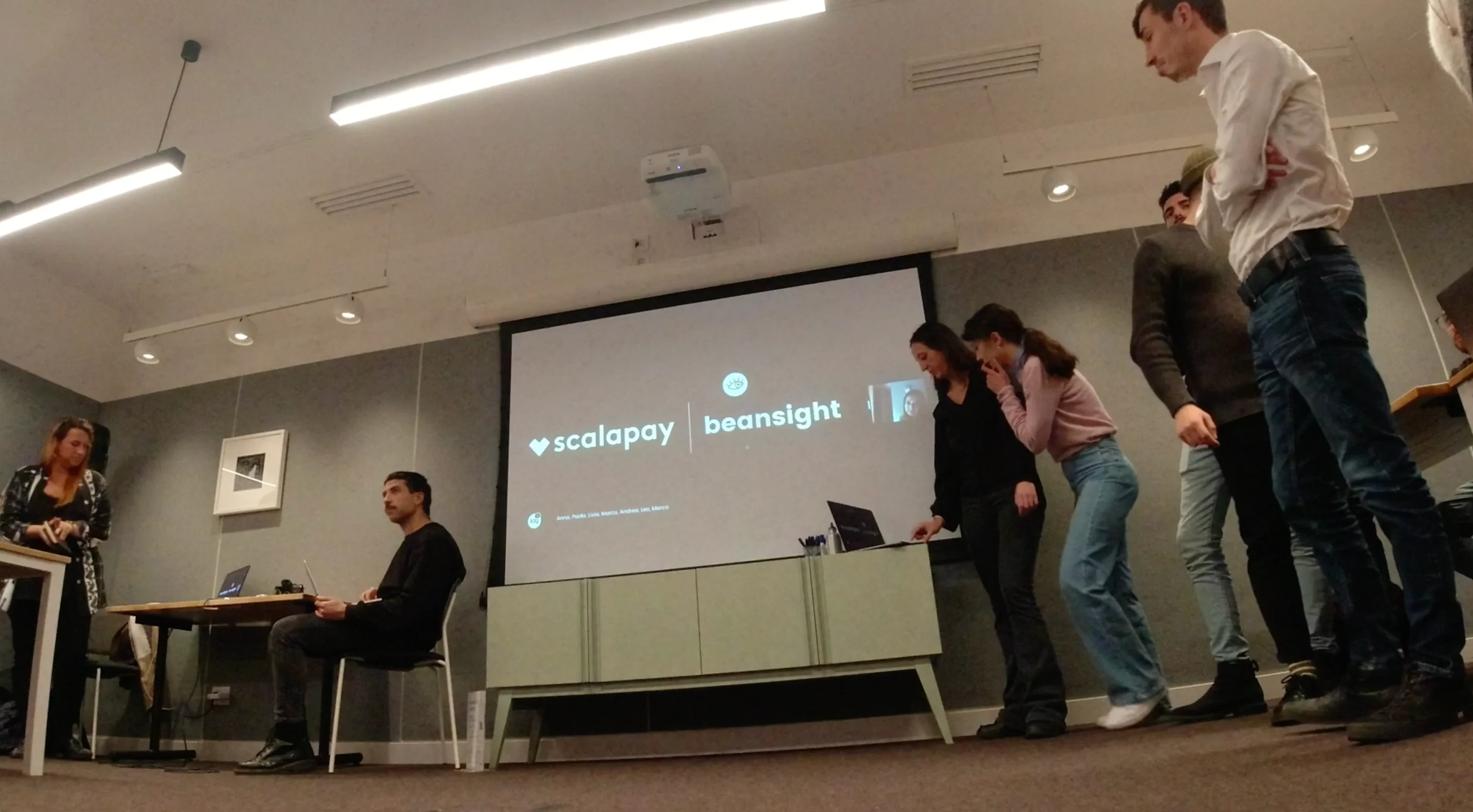
La sfida si è fatta sempre più dura fino al momento in cui abbiamo iniziato la fase finale, arrivando dunque ai prototipi ad alta fedeltà e alla presentazione al team di Scalapay. Il progetto nel complesso è stato molto apprezzato.
Decisioni chiave
Killing the "Tablet Dream"
Every other team was designing fancy merchant-facing dashboards on dedicated tablets. Beautiful interfaces. Custom hardware. The works.
I pushed our team to kill that idea immediately.
A designer knows that friction isn't just in the software — it's in the logistics. Adding a device to a crowded counter is a non-starter. Merchants won't adopt it. It adds cost, setup time, maintenance, training.
We decided to stick with what merchants already have: their existing POS system and the customer's smartphone. Period.
This constraint forced us to be smarter. If we couldn't add hardware, we had to make the software invisible.
The Static-Dynamic QR Hybrid
This was our breakthrough.
Satispay (the main competitor at the time) required users to search for the shop in-app or scan a QR code and then manually type in the amount. Clunky. Error-prone. Slow.
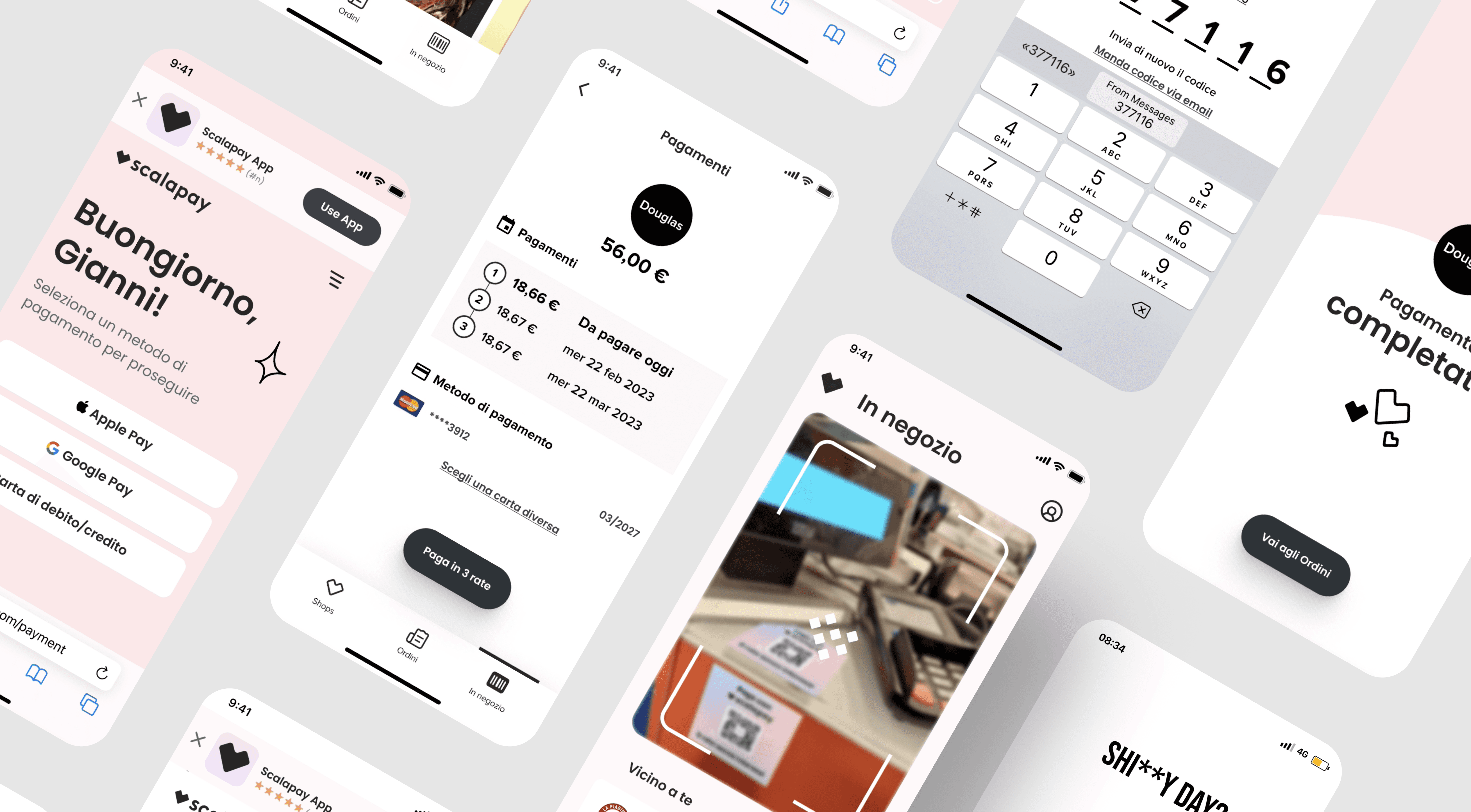
We proposed a "State-Aware" QR code. A permanent, high-visibility sticker placed on the merchant's counter. It's static (cheap, zero maintenance), but the system makes it dynamic.
Here's how it works:
Cashier rings up the order and hits "Pay with Scalapay" on their POS
That specific QR code becomes "active" for that exact transaction amount
Customer scans the sticker with the Scalapay app
One tap to confirm. Done.
One scan. One tap. No typing. No searching. No confusion about whether you're paying the right merchant.
The beauty of this solution: extreme scalability. You could roll it out to 1,000 shops in a week just by mailing stickers. No installation. No training. Just peel and stick.
Micro-Feedback as Reassurance
We spent hours designing the "success" state.
In an in-store environment, confirmation needs to be loud and clear — visually. No subtle checkmarks. No ambiguous loading spinners.
I designed an oversized, haptic-heavy confirmation screen that the user could literally show to the cashier from two meters away. Big green checkmark. Clear text: "Payment complete." Strong haptic feedback.
This killed the awkward "Did it go through?" moment. The customer knows. The cashier knows. Everyone moves on.
Risultato
Seppur fosse un concept per una challenge di design, il progetto per Scalapay ha dimostrato comeancora una volta l'utilizzo di un processo di design thinking può portare a soluzioni innovative e user-friendly.
Il nuovo sistema di pagamento in-store ha il potenziale di migliorare significativamente l'esperienza utente e di aumentare l'utilizzo del servizio Scalapay, e di conseguenza il business ad esso collegato.