Context
ROLE
Worked for
One Show Worldwide Contest
Year
2021
In my final year at IED Roma, we were handed a massive brief from The One Show: bring young people back to beer. It was a classic "impossible" marketing problem — trying to sell a traditional product to a generation that values authenticity and slow experiences over mass-market noise.
I took the lead of a three-person team. The problem was clear: Gen Z wasn't drinking less; they were drinking differently. They were tired of the loud, over-the-top marketing of big beer brands. We needed a way to make Budweiser feel relevant in an era of burnout and constant digital stimulation.
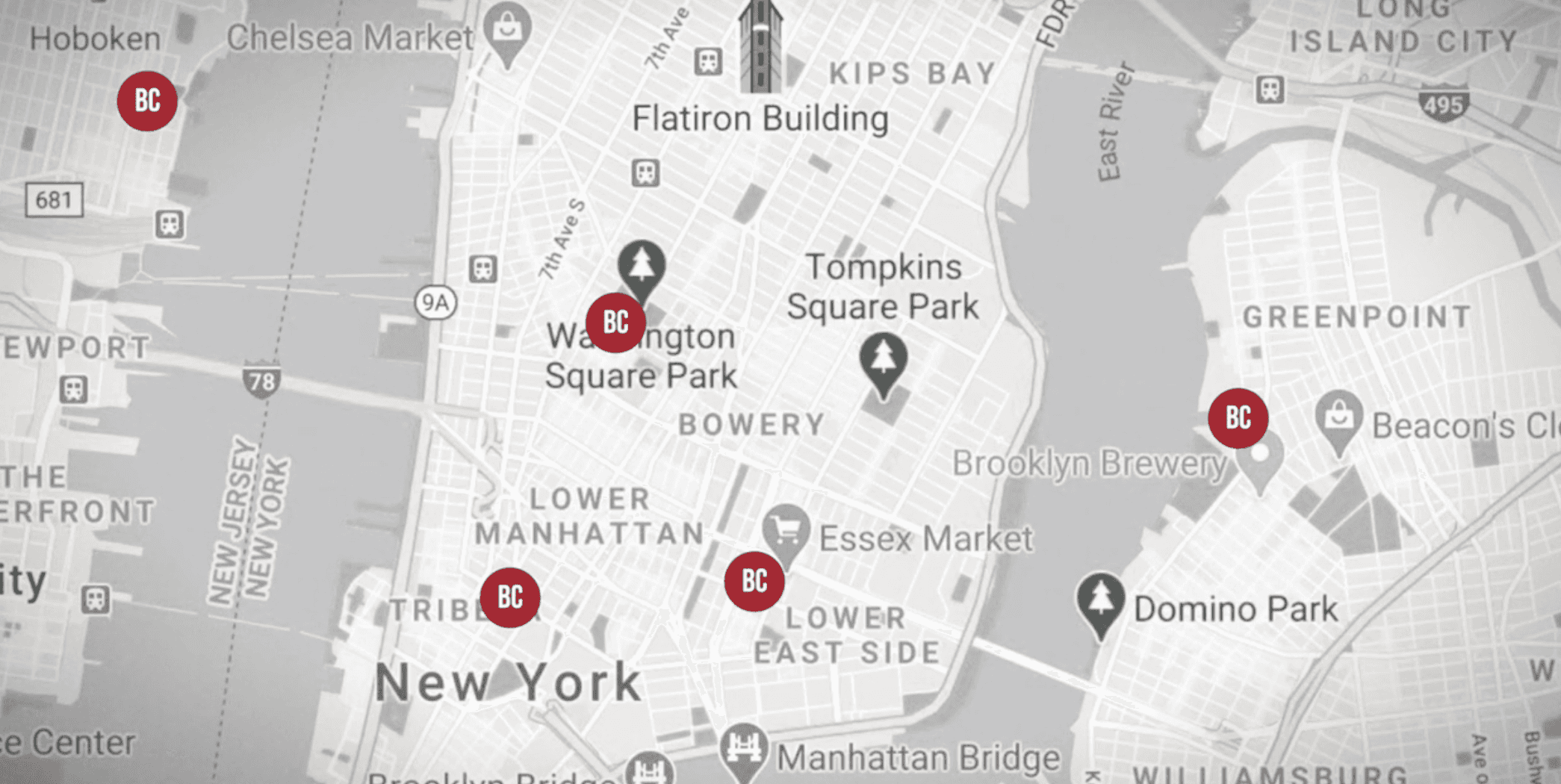
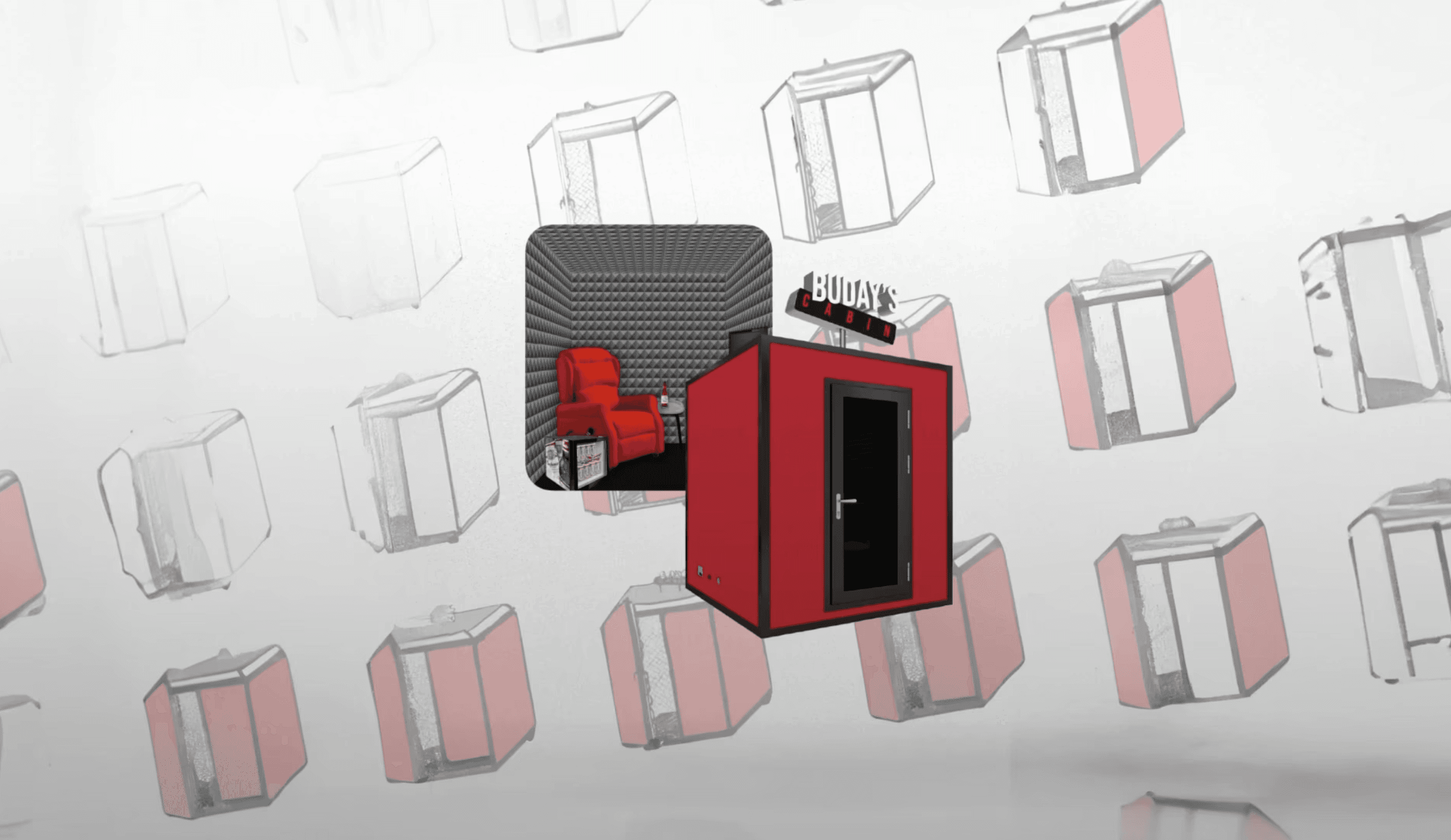
Buday's Cabin was the result — a campaign concept that rejected traditional advertising entirely and instead offered a physical sanctuary: a modular wooden cabin placed in high-stress urban environments, where young people could rent a moment of peace.
challenge
Design a campaign for The One Show that reconnects Budweiser with Gen Z — without feeling like an ad.
The solution needed to:
Feel authentic — no shouting, no gimmicks, no fake hype
Create a physical experience — something you inhabit, not just scroll past
Bridge the gap between a massive corporate brand and the intimate, quiet moments this generation craves
Work within 2 weeks — from brief to final pitch
The real challenge wasn't just the timeline. It was figuring out how to make a beer brand relevant to a generation that sees through traditional marketing immediately. If it looked like advertising, it would fail.
process
We spent the first few days in the "war room" at IED, brainstorming how to hack the urban environment. The insight came quickly: chill had become a currency. If you can give someone ten minutes of peace in this over-stimulated world, they'll give you their attention.
From there, I built the campaign around that core idea:
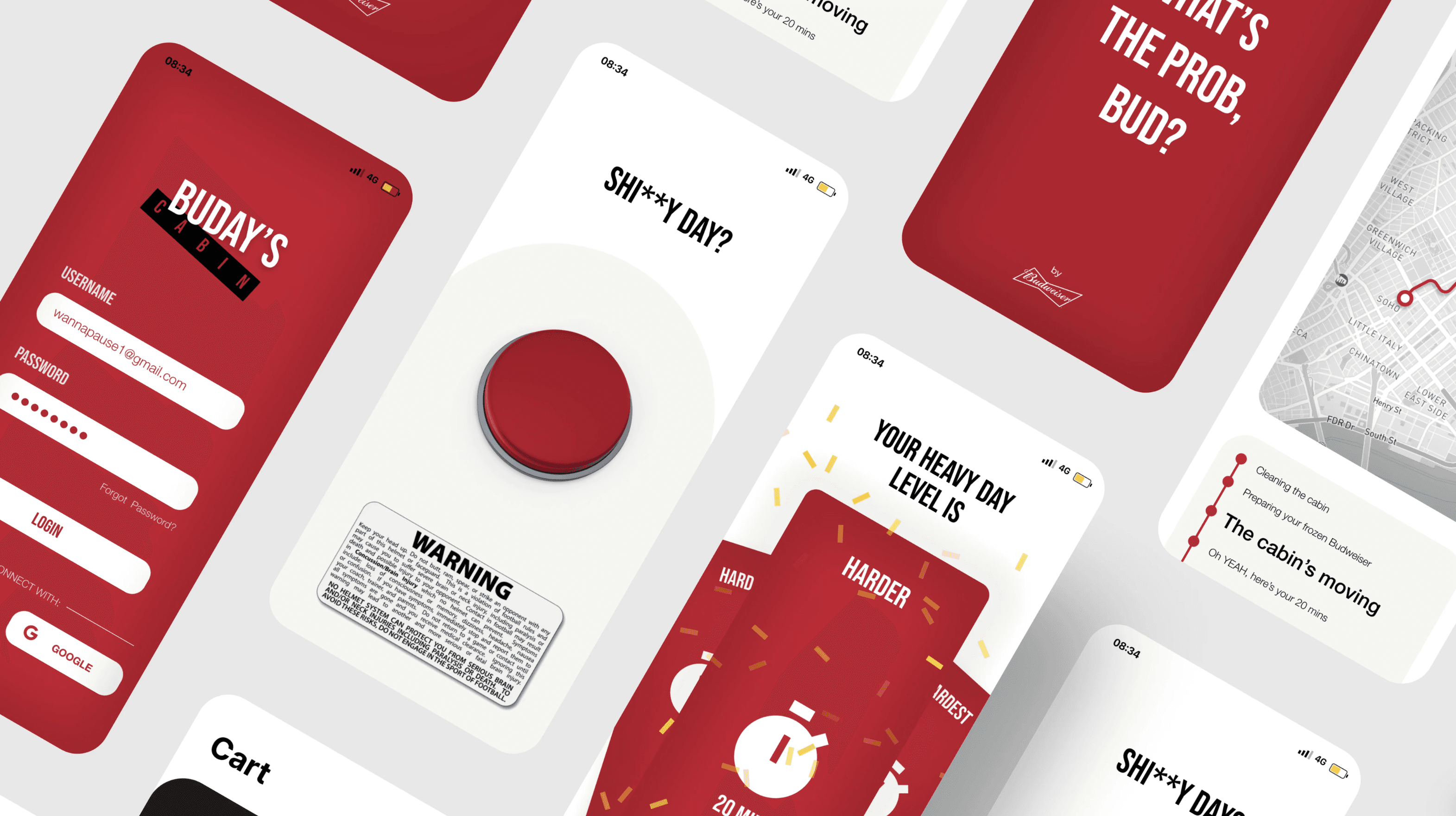
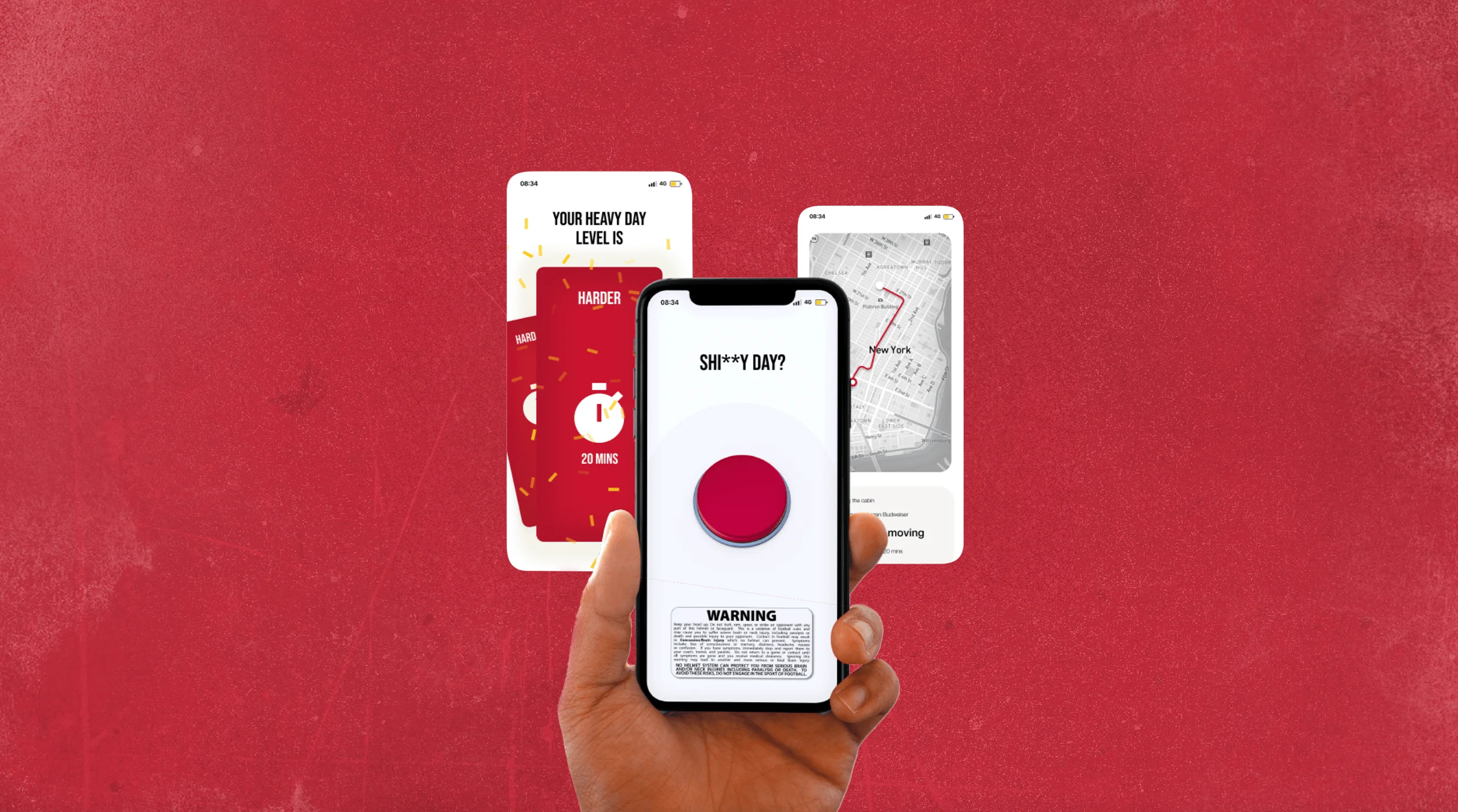
The Concept: Instead of a loud activation or a music festival, we designed "The Cabin" — a minimalist wooden structure placed in chaotic urban spots (metro exits, busy squares, office districts). Users could book time inside via an app. No music, no events. Just silence, wood, and a cold beer.
The Video: I decided early that the video would carry the entire pitch. If the judges couldn't feel the wood grain and hear the silence, we'd lose. I wrote the script, sourced imagery and generated assets, directed the editing in Final Cut, and even reached out to an American voiceover artist to get the tone exactly right.
The Branding: I pushed for a bold, almost "anti-brand" aesthetic under the tagline "B-AD" (a play on Budweiser). Minimal, raw, honest — the opposite of typical beer advertising.
The Learning Curve: This was the first time I used Figma. I remember the exact moment I discovered hover states — I was designing a button and realized it could change when pressed. It felt like unlocking a superpower. Looking back, that small realization was the beginning of understanding interactive design beyond static layouts.
Tools: Adobe Suite for branding, Final Cut for video editing, Figma for the first time.
Timeline: 2 weeks from brief to final delivery.
Key decisions
Rejecting the "Event"
The first instinct was to design a huge party or festival activation. Big brands love that stuff — spectacle, noise, social media moments.
I killed that idea immediately. Festivals are expected. They're exhausting. They're everything Gen Z is trying to escape.
I pushed for the opposite: silence. A space where the product wasn't the hero — the experience was. The Cabin became an intervention in the city, a counter-move against overstimulation.
This decision shaped everything. It meant we couldn't rely on flash or hype. The concept had to be strong enough to stand on subtraction, not addition.
Focusing 80% on the Video
We had limited time and limited skills across the team. I made a conscious choice: put almost all the energy into the video asset. If the pitch deck was weak but the video was visceral, we'd still win attention.
I wrote the script to feel cinematic — not like a commercial, but like a short film about reclaiming time. The pacing was slow. The visuals were textural. The voiceover was calm, almost ASMR-like.
The gamble worked. The video became the strongest artifact in my portfolio and the main reason Wunderman Thompson called me in for interviews.
Outcome
Buday's Cabin was a campaign concept that turned Budweiser into a facilitator of mental well-being. Instead of selling beer through parties and hype, we sold moments of peace.
Core features of the concept:
Physical cabins in high-stress urban locations
App-based booking — reserve your 10, 20, or 30 minutes of silence
Minimal branding — the cabin itself was the product, not a beer billboard
"Subscription to silence" — users could pay monthly for access, turning Budweiser into a service, not just a beverage
The outcome: We didn't win The One Show. But a few months later, IKEA launched a nearly identical "nap pod" campaign in Paris (link). Seeing a global brand validate our instinct was surreal. It proved that what we designed at IED wasn't just "student work" — it was professional-grade thinking.
More importantly: this project opened the door to Wunderman Thompson. During the interview, the Creative Directors didn't flip through slides — they watched the video and discussed the strategy. It showed I could handle both art direction and high-level conceptual thinking before even entering the agency world.
Honest reflection: Looking at it now, I see what I'd do differently. The branding could've been tighter. The app UX and UI was surface-level. And discovering hover states in Figma like it was magic? That makes me laugh now.
But the core insight still holds: design is not about adding more noise to the world. It's about creating the space where the solution can actually be heard.
This was my first real lesson in "senior" thinking: solve the human problem before touching the pixels.